How AI Transforms Social Media Automation Today

How AI Is Transforming Social Media Automation Today: Smart Social Media Management and Marketing Solutions
Artificial intelligence (AI) is changing social media automation by simplifying content creation, optimizing publishing schedules, and sharpening analytics. Businesses deploy AI to save time, keep their brand voice consistent, and act on clear, data-backed insights. This article highlights the core tools, automation features, and analytics that boost campaign performance and solve common marketing obstacles.
AI and automation have sped up data-driven decision-making and enabled deeper personalization across social platforms.
AI & Automation: Revolutionizing Social Media Marketing Strategies
This analysis examines how artificial intelligence and automation are reshaping social media marketing. It covers the strategies and tools that let brands engage audiences more efficiently—turning vast data into targeted actions, personalized experiences, and measurable improvements in campaign performance. By pairing automation with human strategy, marketers can scale relevance without sacrificing brand integrity.
Revolutionizing social media marketing through AI and automation: an in-depth analysis of strategies, ethics, and future trends, D Indrawan, 2023
What Are the Key AI Tools for Social Media Marketing Automation?
AI solutions typically concentrate on three areas: content creation, scheduling, and analytics. Each uses algorithms to cut repetitive work so teams can focus on strategic priorities.
- AI Content Creation Tools: Produce post drafts and visuals that save time and preserve voice.
- AI Scheduling Software: Recommend and auto-publish at times when your audience is most active.
- AI Analytics Platforms: Surface performance insights that help you refine campaigns.
Together, these tools streamline workflows and help campaigns perform better.
How Do AI Content Creation Tools Automate Social Media Posts?
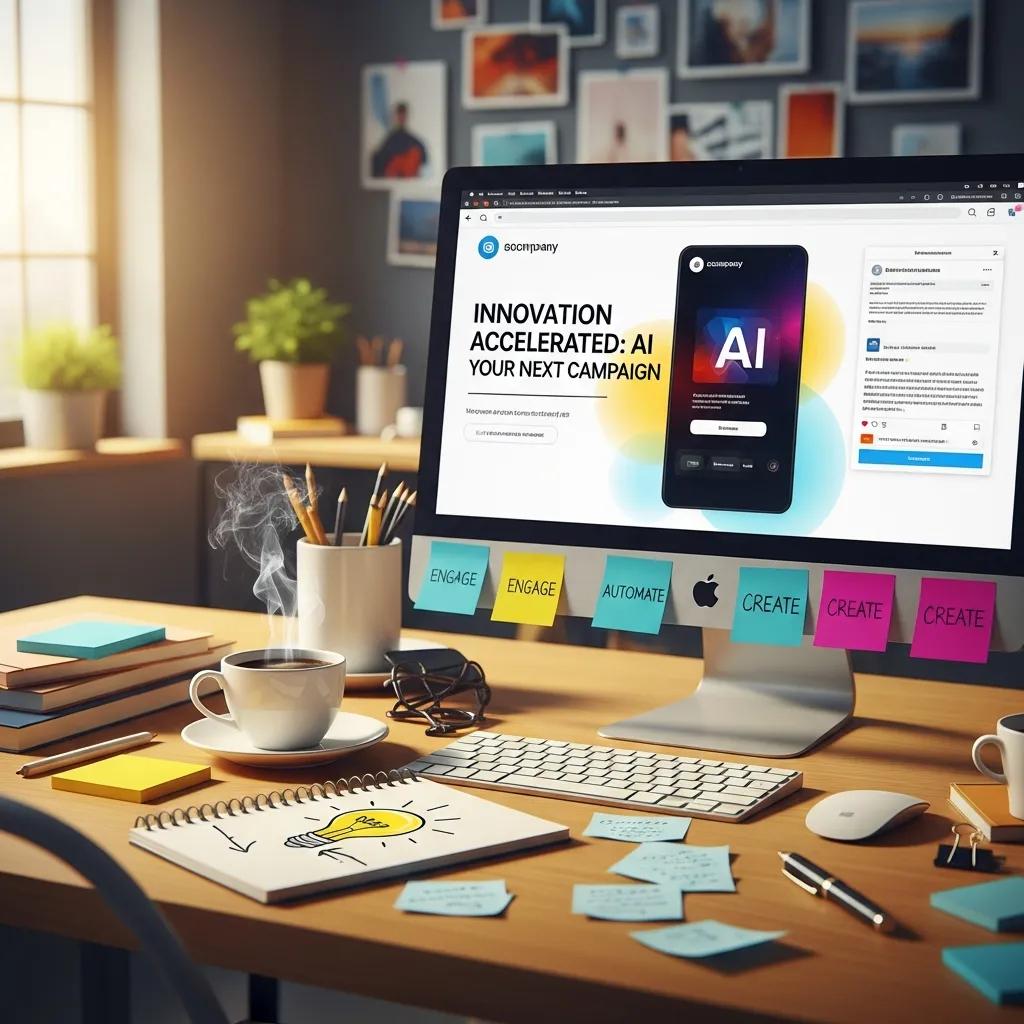
AI content tools use natural language processing and machine learning to repurpose source material, spot trends, and tailor copy to audience preferences. The main benefits are faster output, steadier brand tone, and more targeted messaging.
- Time Efficiency: Automates drafts and reusable templates so teams spend time on strategy.
- Consistency: Keeps tone and format uniform across channels.
- Data-Driven Suggestions: Recommends topics and formats that resonate with specific segments.
Research indicates content automation affects creation, scheduling, personalization, and engagement metrics such as likes and shares.
AI Content Automation for Social Media Marketing Performance
This paper reviews how AI-driven content automation influences social media practices and broader marketing outcomes. The study focuses on AI tools’ effects on content creation workflows, scheduling, personalization, and engagement indicators (likes, shares, comments, and reach), offering evidence on how automation shifts both efficiency and audience response.
IMPACTS OF AI-DRIVEN CONTENT AUTOMATION ON SOCIAL MEDIA INTERACTION AND MARKETING PERFORMANCE, 2026
Which AI Scheduling Automation Features Optimize Posting Times?
Scheduling tools analyze audience behavior and historical engagement to recommend optimal posting windows and can publish automatically at those moments.
- Audience Analysis: Identifies peak activity periods and audience habits.
- Automated Posting: Publishes content on your behalf at recommended times.
- Performance Tracking: Measures results so timing can be refined continuously.
These features help content reach followers when they are most likely to engage.
How Does AI-Driven Social Media Analytics Improve Marketing Performance?

AI analytics aggregate engagement, audience demographics, and content performance to reveal what’s working and where to focus budget or creative effort.
- Engagement Rates: Tracks interaction levels by post and audience segment.
- Audience Demographics: Shows who engages and key characteristics.
- Content Performance: Identifies top formats, topics, and creative winners.
Machine learning and NLP are essential for extracting sentiment and deeper behavioral patterns from social data.
AI-Enhanced Social Media Analytics with ML & NLP
This research explores integrating machine learning and natural language processing to advance social media analytics. The framework uses ML models to find patterns in large datasets and NLP techniques for sentiment analysis, topic modeling, and entity recognition—helping businesses turn complex social conversations into actionable insights.
Leveraging machine learning algorithms and natural language processing for AI-Enhanced social media marketing analytics, A Singh, 2021
What Metrics Do AI Analytics Tools Track for Engagement Optimization?
Common metrics include:
- Likes and Shares: Quick indicators of resonance.
- Comments and Interactions: Deeper signals of sentiment and conversation.
- Click-Through Rates: Measures response to calls to action and links.
Monitoring these metrics enables continuous refinement of content and targeting.
How Can Marketers Use AI Insights to Enhance Campaign ROI?
Use AI insights to shift budget to top-performing audiences and creatives, and to run systematic A/B tests that improve conversion rates.
- Targeted Advertising: Concentrate spend on high-value segments.
- Content Optimization: Adjust messaging based on performance signals.
- A/B Testing: Validate changes and scale the winners.
These methods increase ROI by focusing effort and spend where they deliver the most value.
What Are the Benefits of Automated Social Media Content Creation?
Automation helps teams publish reliably, boost engagement, and scale production without proportionally increasing resources.
- Time Savings: Reduce manual drafting and scheduling effort.
- Increased Engagement: Deliver more timely, relevant posts.
- Scalability: Produce greater volume while maintaining quality.
Automation is a practical way to keep a steady, active presence across channels.
How Does AI Reduce Manual Workload for Social Media Managers?
AI automates scheduling, reporting, and routine responses, freeing managers to focus on creative strategy and higher-value tasks.
- Focus on Strategy: Spend less time on repetitive operations.
- Enhance Creativity: Reclaim time for strategic and creative work.
- Improve Response Times: Faster monitoring and templated replies for common queries.
When applied well, AI raises productivity and campaign quality.
In What Ways Does AI Increase Posting Consistency and Engagement?
By automating cadence and suggesting audience-personalized content, AI keeps channels active and relevant.
- Regular Posting: Maintains predictable content flow for followers.
- Engagement Optimization: Recommends better timing and formats for posts.
- Content Personalization: Tailors posts to specific audience segments.
Consistent, relevant posts help strengthen audience relationships over time.
What Future Trends Will Shape AI Social Media Automation?
Expect deeper personalization, stronger predictive analytics, and closer integration with broader marketing and commerce stacks.
- Increased Personalization: More individualized experiences at scale.
- Enhanced Predictive Analytics: Anticipate trends and user behavior more accurately.
- Integration with Other Technologies: Smoother connections across marketing tools and commerce platforms.
These trends will broaden AI’s strategic and operational roles in marketing.
How Will Machine Learning Algorithms Evolve Social Media Tools?
Algorithms will handle larger datasets faster, learn from live interactions, and automate more routine decisions to improve relevance and efficiency.
- Improved Data Processing: Faster, richer insights from big datasets.
- Adaptive Learning: Models that refine recommendations in real time.
- Greater Automation: More tasks managed with minimal human input.
These advances will produce more capable, proactive management solutions.
What Innovations Are Expected in AI Content Generation and Scheduling?
Look for tools that adapt content in real time, produce higher-quality visuals, and link posts directly to commerce experiences.
- Real-Time Content Adaptation: Adjusts messaging based on trends and audience response.
- Enhanced Visual Content Creation: AI-generated images and short videos with improved fidelity.
- Seamless Integration with E-commerce: Connect posts directly to shopping and conversion paths.
These innovations aim to make social media more engaging and more directly tied to revenue.
Frequently Asked Questions
How can AI improve social media crisis management?
AI strengthens crisis response by monitoring mentions and sentiment in real time, spotting negative spikes early, and sending automated alerts. That lets teams react quickly with prepared messaging. AI can also analyze past incidents to identify effective responses and help refine crisis plans, protecting reputation under pressure.
What types of content are best suited for AI generation?
AI performs well on repetitive or data-driven content—social posts, product descriptions, summaries, and personalized messages. It’s excellent for scaling routine content, but human creativity remains essential for nuanced storytelling and emotionally intelligent material. The best results come from combining AI output with human editing.
How does AI facilitate influencer marketing on social media?
AI helps identify the right influencers by analyzing audience demographics, engagement rates, and content fit. It can streamline outreach and automate campaign tracking, providing measurable insights into performance. With AI, brands can select partners more strategically and measure ROI more effectively.
What are the limitations of using AI in social media marketing?
AI has limits: it can miss emotional nuance, cultural context, or subtle irony. Overreliance can lead to generic content unless humans intervene. Ensuring data quality and human oversight is essential to avoid tone-deaf or inappropriate outputs.
How can small businesses leverage AI for social media marketing?
Small teams can use affordable AI tools for content drafting, scheduling, and basic analytics to free time for strategy and engagement. These tools provide audience insights that enable targeted efforts without large budgets, helping small businesses compete more effectively online.
What future developments can we expect in AI social media tools?
Expect better predictive analytics that forecast user behavior, advances in NLP for more natural content generation and sentiment detection, and tighter integration with e-commerce to enable shopping directly from social posts—changing how brands convert engagement into sales.
What role does AI play in enhancing customer engagement on social media?
AI analyzes behavior to personalize content, recommend posts, and optimize timing. It can also automate common responses to speed customer service and keep interactions timely and relevant.
How can businesses measure the effectiveness of AI-driven social media strategies?
Track KPIs like engagement, conversions, audience growth, and A/B test performance. AI analytics simplify attribution and reveal which creatives and audience segments produce the best results.
What ethical considerations should marketers keep in mind when using AI in social media?
Prioritize data privacy, be transparent about AI use, and guard against algorithmic bias. Comply with regulations (e.g., GDPR) and communicate clearly with users about how their data is used.
How does AI impact the cost-effectiveness of social media marketing?
AI reduces manual labor, improves targeting, and optimizes ad spend so teams can achieve better outcomes with smaller budgets.
What skills should marketers develop to effectively use AI tools in social media?
Build data literacy, a basic understanding of machine learning concepts, strong creative skills, and the ability to interpret analytics to turn insights into action.
What challenges do businesses face when implementing AI in social media marketing?
Common hurdles include integrating new tools with legacy systems, ensuring clean, high-quality data, and closing skill gaps so teams can operate and interpret AI outputs confidently.
Share the Post:
Related Posts

Automated Social Media Content Generation Explained
Unlock the power of automated content to elevate social media strategies. Boost engagement and streamline your processes for maximum impact and efficiency.

Unlock AI Power for Perfect Social Media Captions
Transform social media engagement with AI-powered captions from Contentby.ai. Boost creativity and capture your audience’s attention like never before.